Bagmati Clean-Up Mega Campaign Enters Its 13th Year with Renewed Commitment to a Greener Nepal
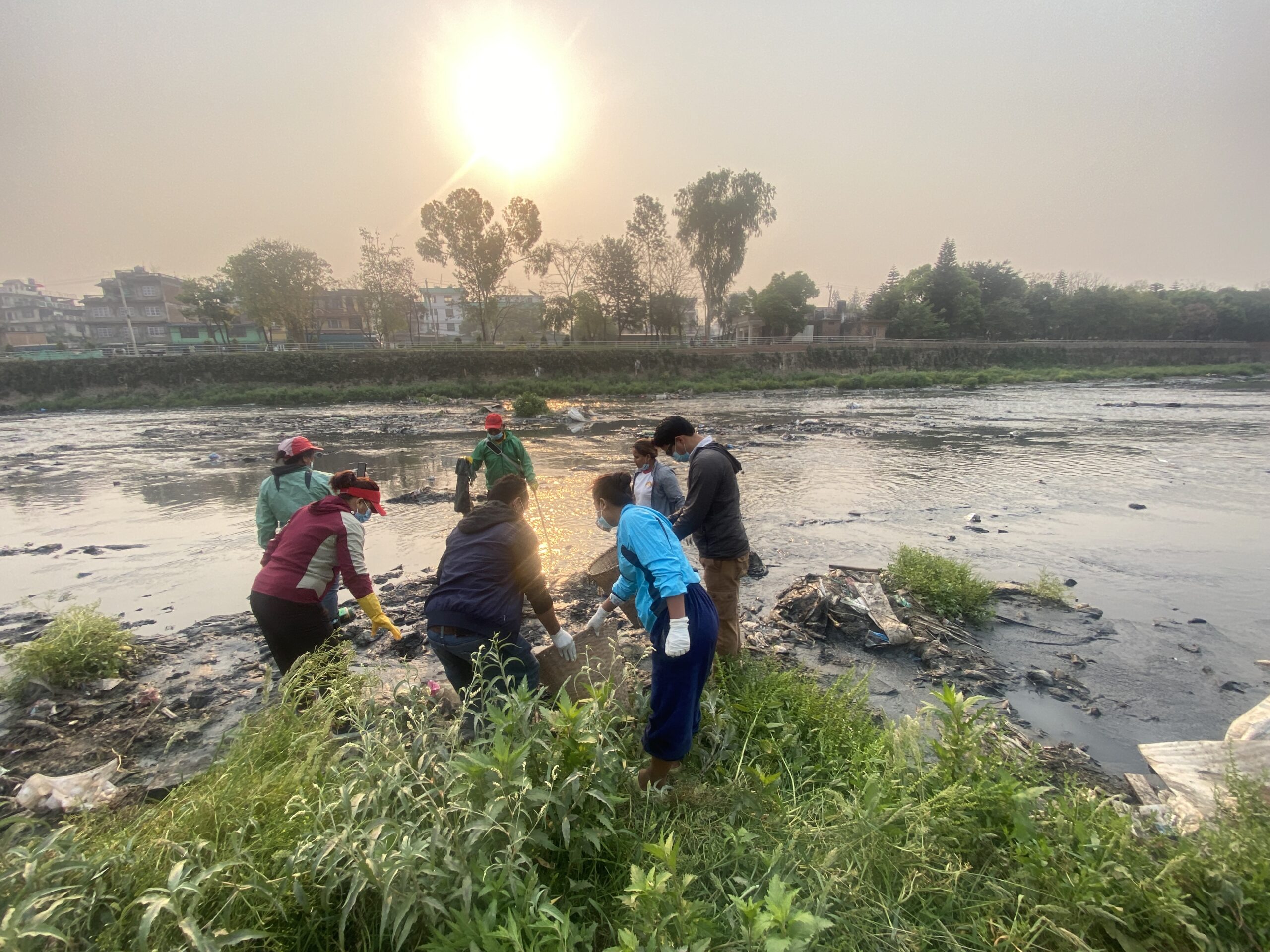
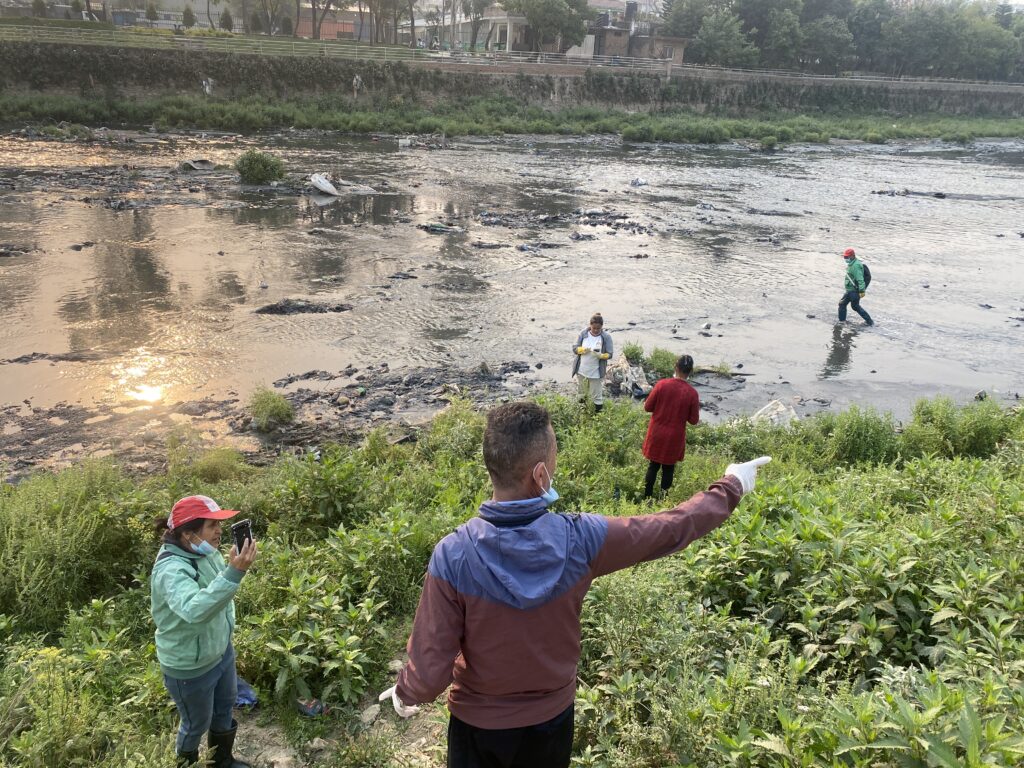
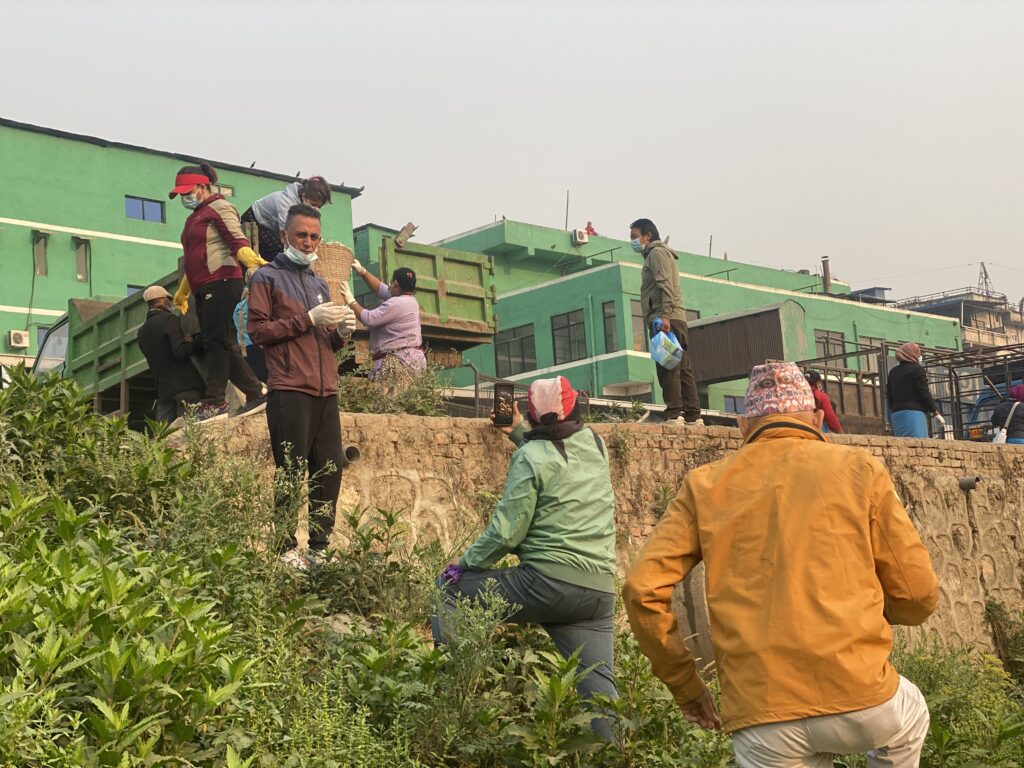
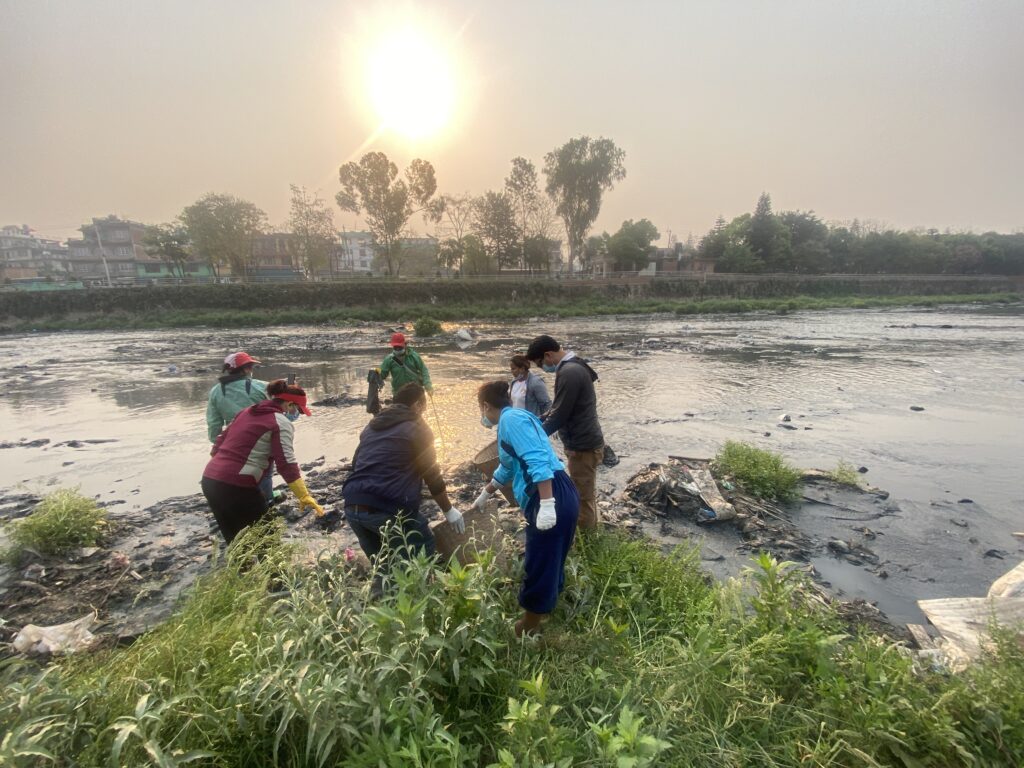
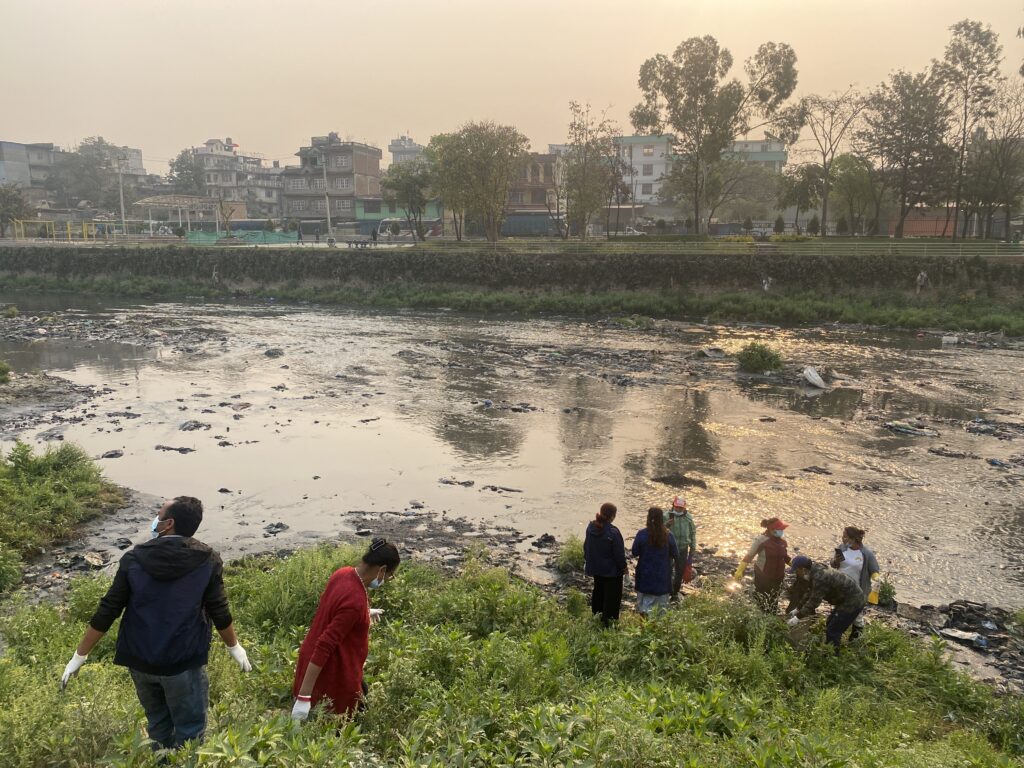
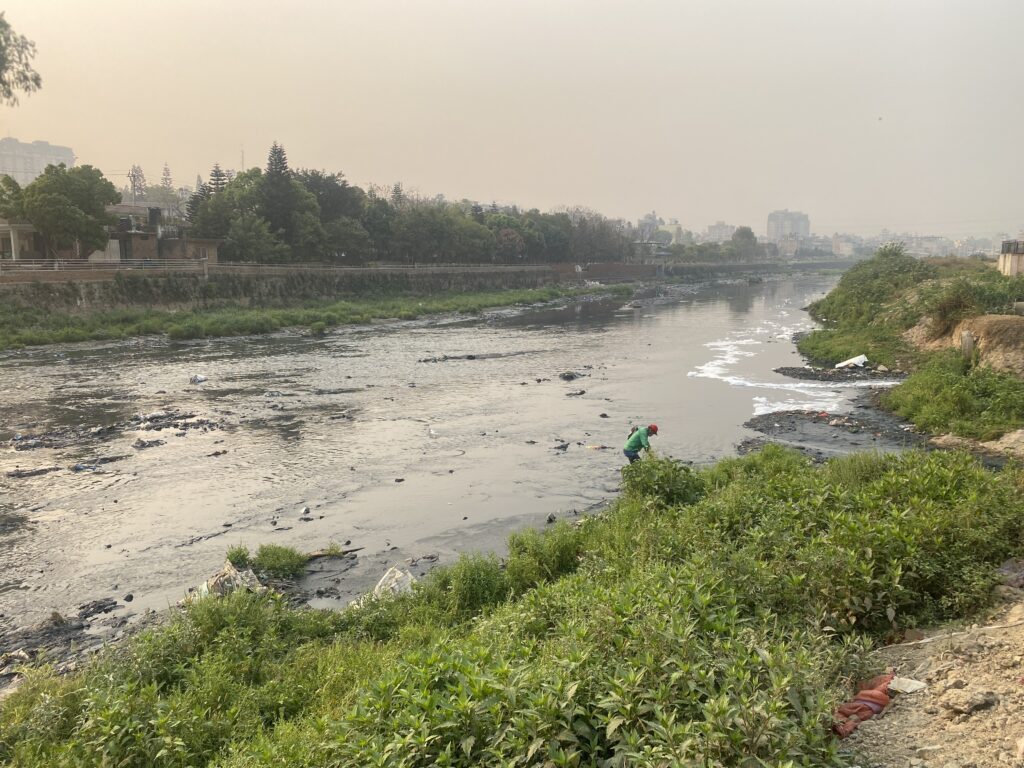
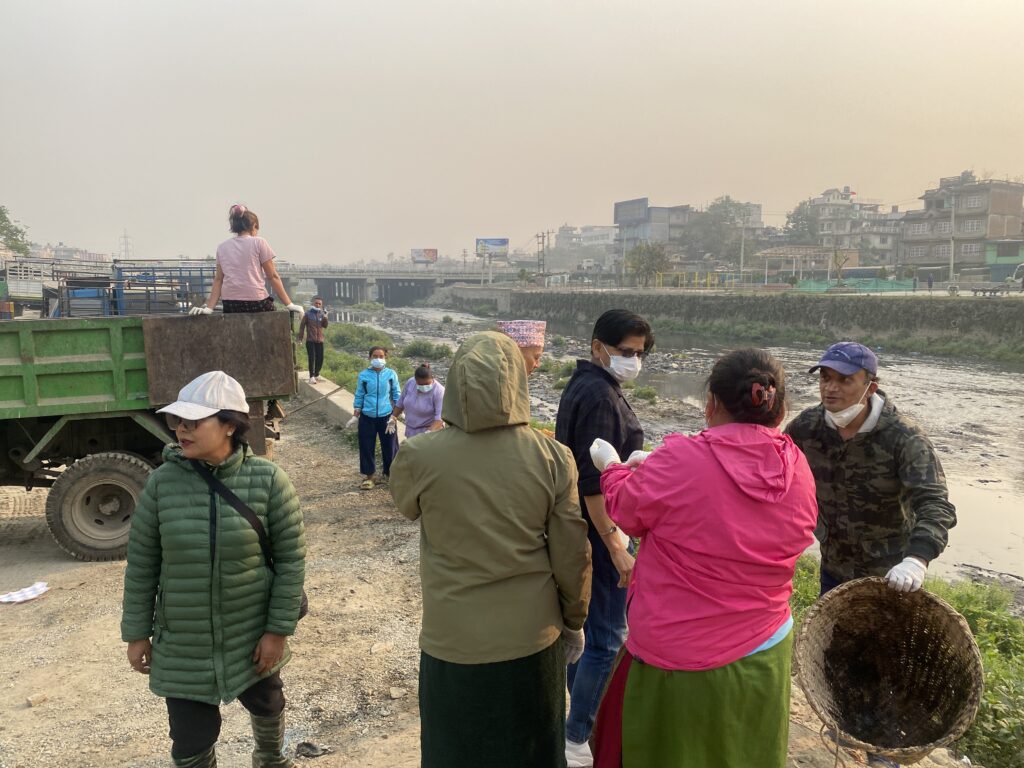
Kathmandu, May 30, 2025 — In a remarkable display of environmental dedication, the Bagmati Clean-Up Mega Campaign marked the beginning of its 13th year with a special celebration at Ananda Pashupati, beside the sacred Bagmati River in Kathmandu. Over the past 12 years, this people-powered movement has become a symbol of civic responsibility, ecological consciousness, and community-driven action.
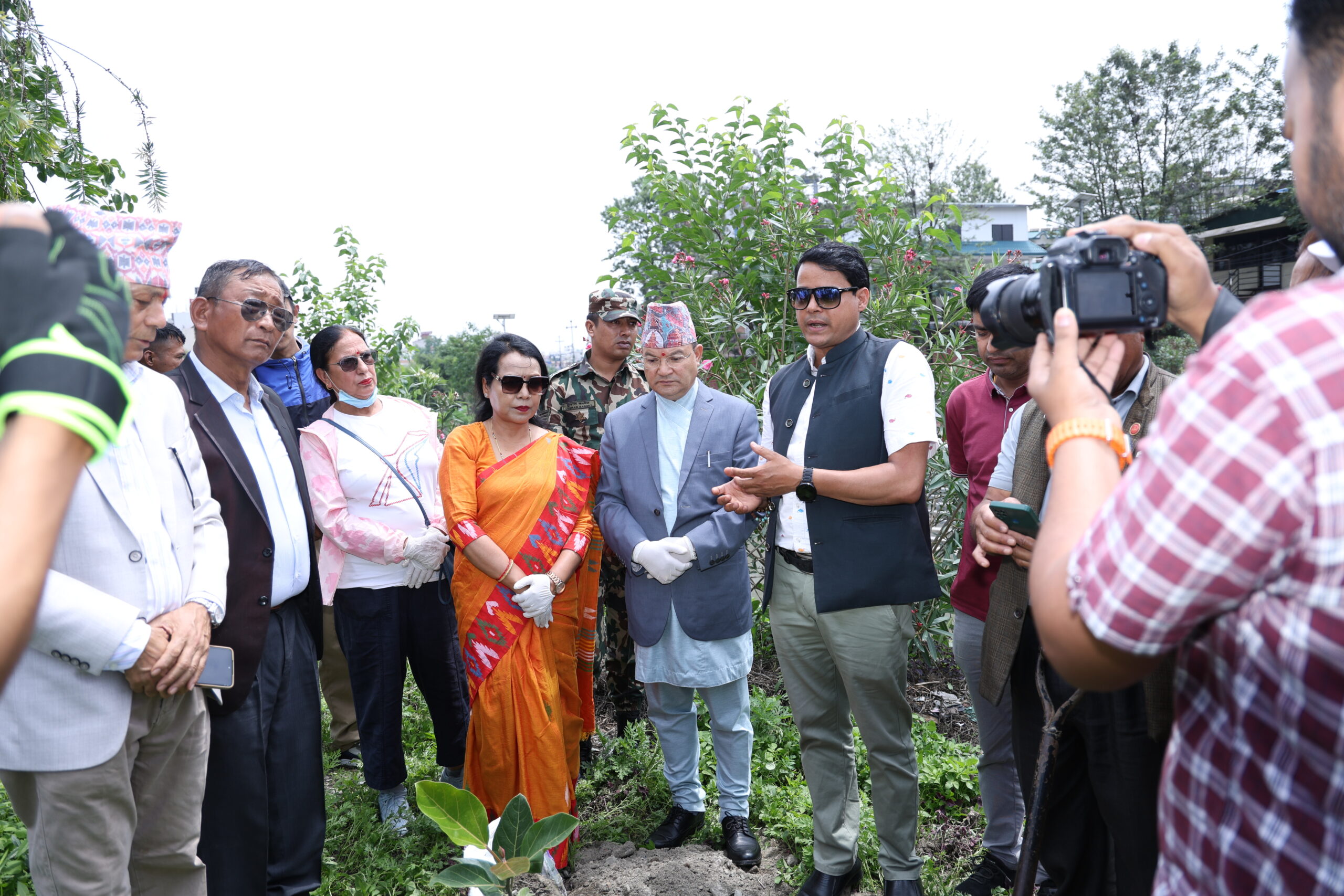
The commemorative event was graced by the presence of Hon. Minister for Forest and Environment, Mr. Ain Bahadur Shahi, who formally inaugurated the program by planting Peepal and Banyan saplings on the riverbank. This symbolic act also launched this year’s ambitious mission: the planting of 13,000 trees, further solidifying the campaign’s commitment to urban greening and ecosystem restoration.
Adding to the milestone, the campaign’s official website was launched, providing a digital platform for public engagement, volunteer registration, and awareness-raising about the environmental mission.
Prominent campaigners presented a detailed overview of the Bagmati Clean-Up Campaign’s evolution — from a grassroots river-cleaning initiative to a nationwide symbol of environmental stewardship. Among the presenters were activists Chakrabahadur Chand and Mala Kharel, who outlined the campaign’s goals, impacts, and continued need for community and policy support.
The event featured powerful messages from Actress Suhana Thapa, who emphasized the importance of artistic voices in promoting environmental awareness, and Hon. MP Kusum Devi Thapa, Chairperson of the Cooperative and Natural Resources Committee. MP Thapa called for deeper institutional collaboration and policy-level support for such citizen-led movements.
In recognition of public participation, 13 individuals were honored by Minister Shahi through the symbolic handover of tree coupons. The minister also announced a significant pledge: the Ministry of Forest and Environment will provide 13,000 saplings to support this year’s tree-planting initiative. He affirmed that the government would align with the campaign’s vision by offering policy support and integrating it into national environmental strategies.
As the campaign steps into its 13th year, it stands as a powerful example of sustained civic engagement. Its impact is visible not just in cleaner riverbanks, but in the shifting attitudes of thousands of volunteers, policymakers, and citizens toward environmental responsibility.
The Bagmati Clean-Up Mega Campaign continues to inspire a nation with its call to action:
“Let’s keep our rivers clean and our cities green.”
#BagmatiCleanup #13YearsStrong #GreenNepal #CleanEnvironment #TreePlantingCampaign #NepalForNature #EcoMovement #TogetherForBagmati