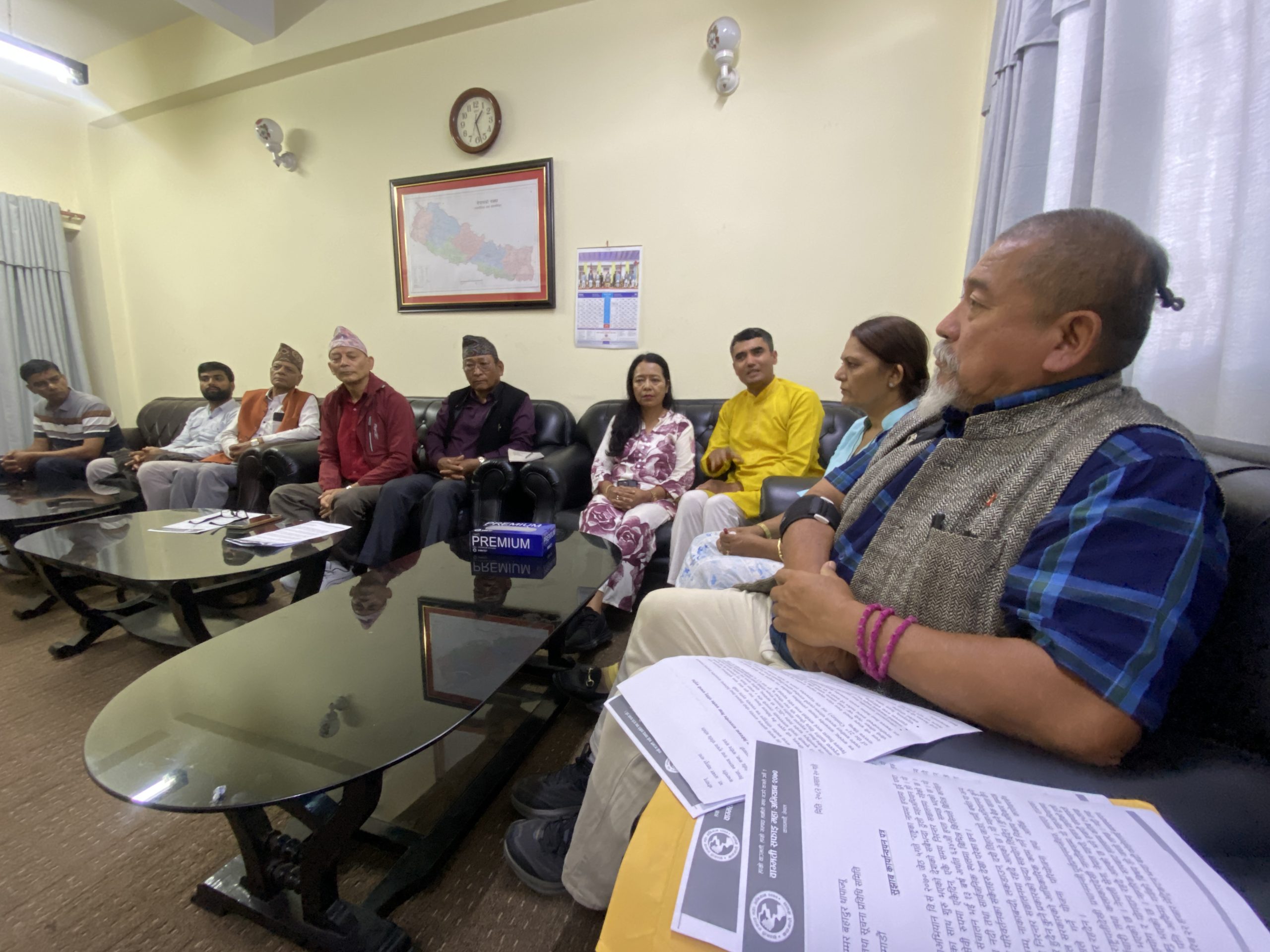
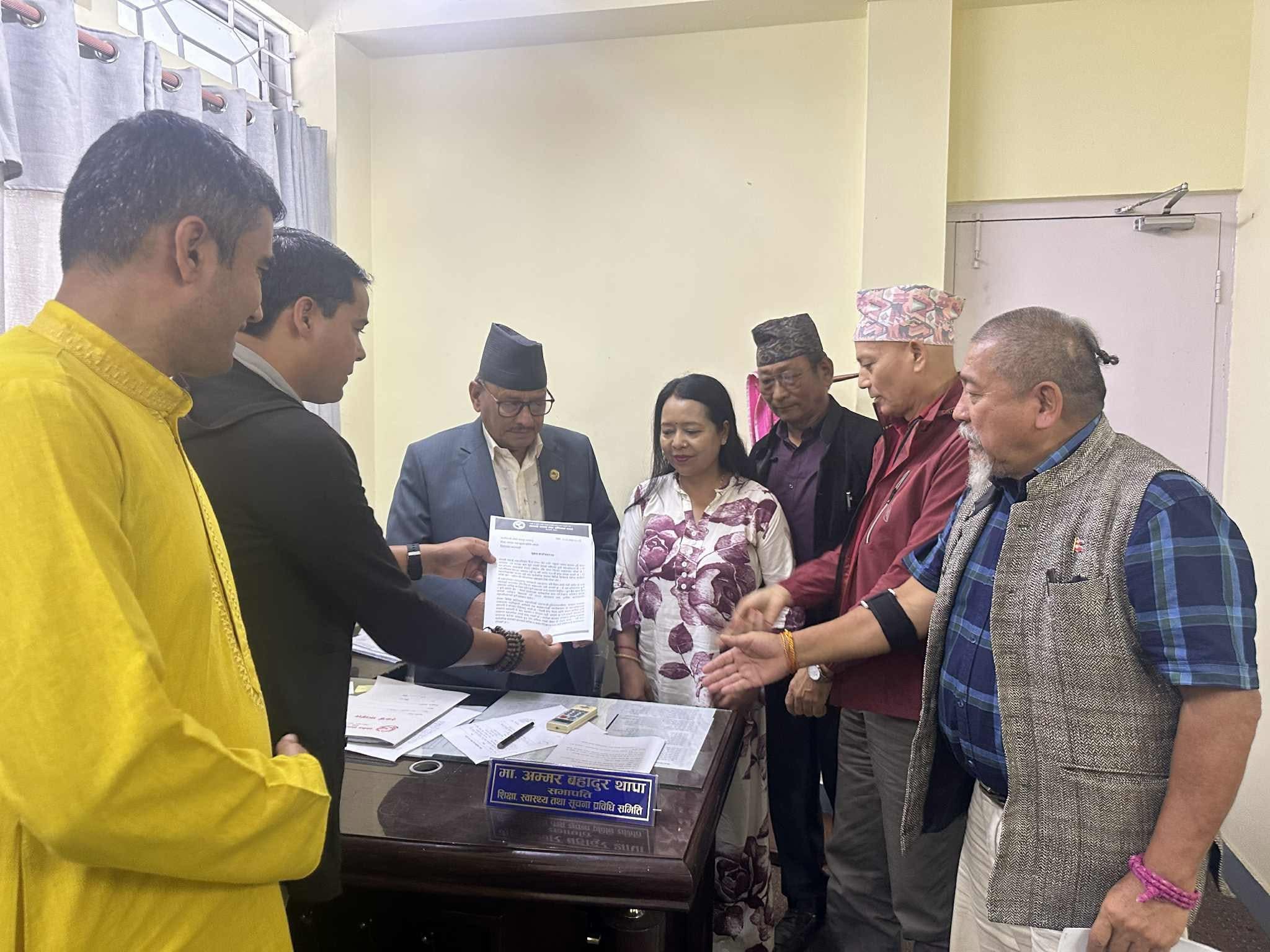
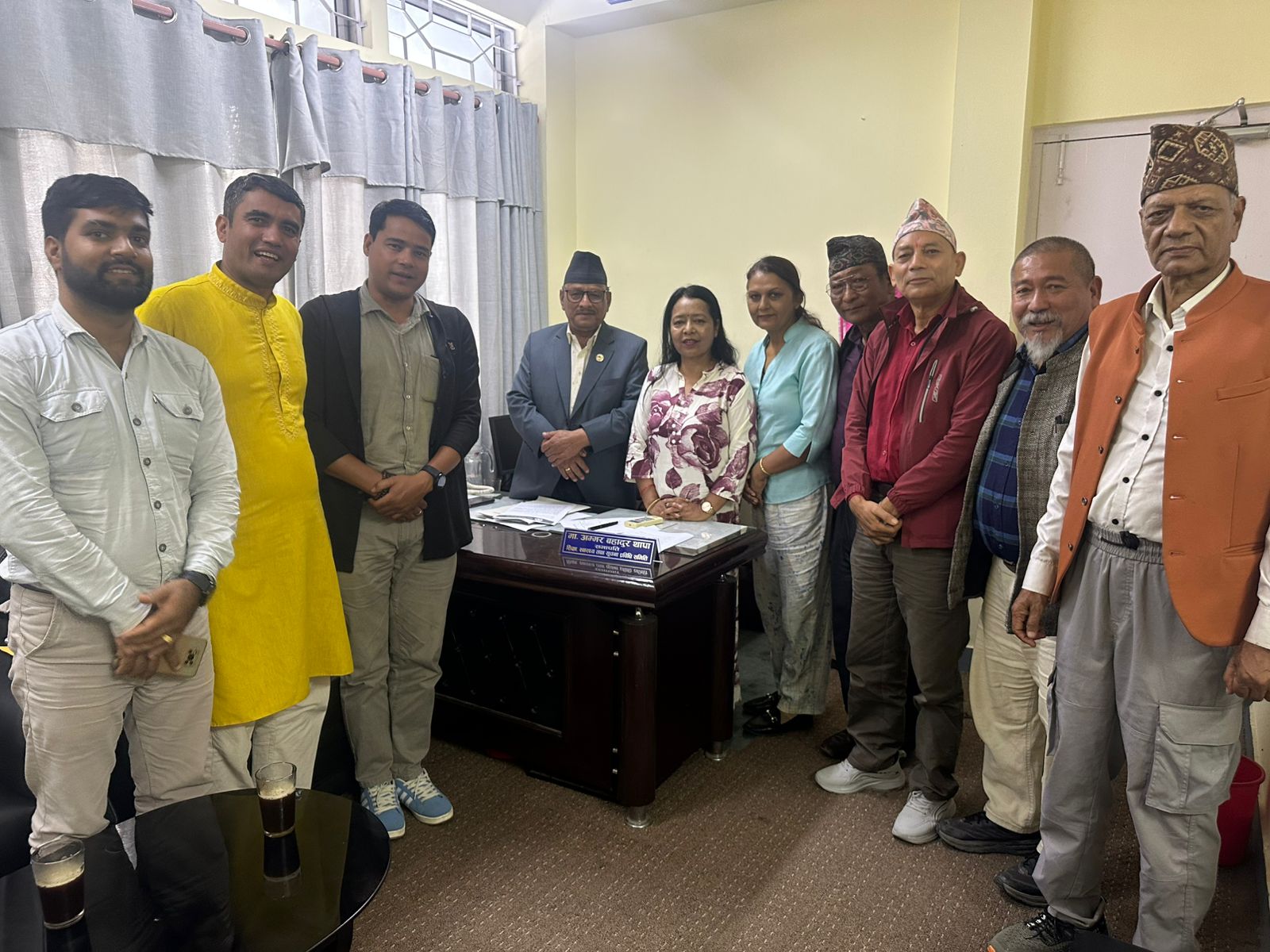
On behalf of the Bagmati Cleanup Mega Campaign, an important meeting was held with Honorable Mr. Ammar Bahadur Thapa, Chairperson of the Education, Health and Information Technology Committee, to discuss including topics on river conservation and cleanup in the curriculum.
The proposal includes issuing clear directives from this committee so that every school can actively participate in cleaning and conserving rivers and public spaces through curriculum content, class activities, or other programs under the message: “Water is life – let’s clean and conserve our rivers and ponds.”
1. Develop curriculum and activities centered on the message “Water is life – let’s clean and conserve our rivers and ponds,” including lessons, presentations, art, essays, and drama to help students understand the importance of cleaning and conserving rivers, ponds, and public places.
2. Organize a “One Day for River or Public Place Cleanup” program every month, where schools conduct at least one cleanup campaign per month as a class or club activity. This will help develop discipline, leadership, and a sense of responsibility toward the community among students.
3. Have students prepare and present their own experiences, photos, or reports about cleanup campaigns and conservation activities. Schools will recognize and reward the best participation and creative programs annually.
4. Organize educational visits to nearby rivers, ponds, or historical water resources to observe and understand the conservation status. Students will discuss the biological and social aspects, causes of pollution, and possible solutions.
5. Cooperate with the community and local bodies. Schools can collaborate with local governments, mega campaigns like Bagmati Cleanup, civil society, and environmental organizations to organize joint cleanup events. This will help connect students with society and make conservation efforts sustainable.
We shared our suggestions with the committee, highlighting that although billions have been spent from the state treasury on conserving the country’s rivers—especially the Bagmati River in Kathmandu—the results have not been substantial.
However, the civic-led campaign, which runs without using the state budget, has significantly contributed to river conservation. Now, to take this effort further from the school level, we have submitted our suggestions with the belief that the committee will develop concrete policies and ensure implementation.
In response, the Chairperson expressed willingness to make efforts on this matter.
Leave a Reply